
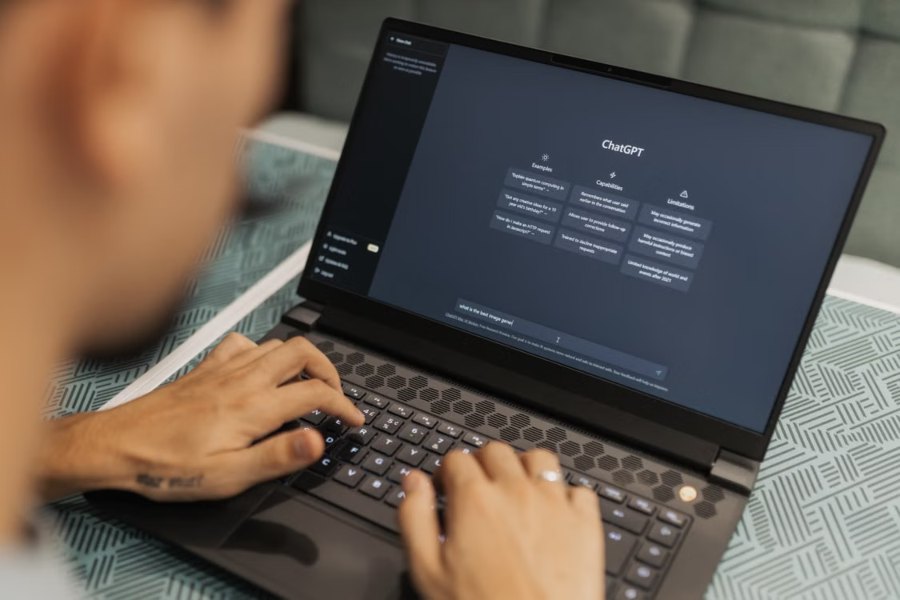
Video editing used to require a combination of technical skills, expensive software, and plenty of patience. Even simple projects could involve cutting clips, adjusting audio, adding captions, choosing transitions, and exporting the final file in the right format. Today, artificial intelligence is making many of these tasks easier, and conversational AI is becoming part of the creative process.
ChatGPT, in particular, can help creators plan videos, refine scripts, generate ideas, and organize editing workflows. When combined with modern video-generation and editing technology, it can also make the path from an initial idea to a finished video much more efficient.
What Can ChatGPT Do for Video Creation?
ChatGPT is primarily a conversational AI system, so it does not replace every function of a traditional video editor by itself. Instead, it can assist with many of the decisions and preparation steps that happen before and during editing.
For example, a creator can use it to develop a video concept, turn rough notes into a script, create a scene-by-scene outline, or suggest different hooks for a short-form video. It can also help rewrite dialogue, shorten narration, and adapt the same idea for platforms such as YouTube, Instagram, or TikTok.
This makes AI particularly useful for creators who spend more time planning and preparing content than actually moving clips around a timeline.
Using an AI Video Editor With ChatGPT
An AI video editor with ChatGPT can make the editing workflow more conversational. Instead of relying entirely on menus and complicated settings, creators can describe what they want to accomplish in ordinary language and use AI assistance to plan or execute parts of the process.
Imagine having a collection of raw clips from a product demonstration. Rather than manually deciding how the footage should be organized, a creator could use ChatGPT to develop an editing structure:
- Start with a short attention-grabbing introduction.
- Remove unnecessary pauses from the demonstration.
- Place the most important product feature near the beginning.
- Add concise captions to key sections.
- Finish with a clear conclusion.
The AI does not eliminate the need for creative judgment, but it can reduce the amount of repetitive decision-making involved.
From Script to Finished Video
One of the biggest advantages of combining conversational AI with video tools is the ability to connect different stages of production.
A typical workflow might begin with a simple idea such as, “Create a 60-second educational video explaining how solar panels work.” ChatGPT can turn that concept into a structured script and divide it into individual scenes.
The next step is deciding what viewers should see during each section. The script might be divided into:
- An opening question
- A simple explanation of sunlight and solar cells
- A visual demonstration of electricity generation
- A brief explanation of how energy reaches a home
- A closing summary
Once the structure is ready, an AI-powered video editor can help match footage, graphics, captions, voiceover, and other visual elements to the planned sequence.
This approach is especially useful for people producing educational videos, social media content, tutorials, and marketing explainers.
AI Can Help With the Less Creative Parts of Editing
Not every editing task requires a human creative decision. Some are repetitive jobs that can consume significant amounts of time.
AI-assisted tools can help with tasks such as transcription, subtitle generation, scene detection, background removal, audio cleanup, resizing, and formatting. Depending on the software being used, some tools can also identify important moments in longer footage and help create shorter versions.
For creators producing content regularly, these small time savings can become significant over the course of a week or month.
Why Human Editing Still Matters
AI can speed up production, but faster does not automatically mean better.
A human editor still needs to understand the audience, tone, pacing, context, and purpose of a video. An AI system may suggest a technically reasonable edit that does not fit the creator’s style or the expectations of the audience.
Creative judgment is particularly important when working with comedy, storytelling, interviews, documentaries, or emotionally sensitive subjects. The best results often come from using AI for assistance while keeping important creative decisions under human control.
Better Prompts Lead to Better Results
The quality of an AI-assisted workflow often depends on how clearly the creator describes the desired result.
Instead of asking for “a video script,” a more useful prompt might specify the target audience, length, tone, platform, subject, and desired structure.
For example:
Create a 45-second YouTube Short for beginners explaining three common smartphone photography mistakes. Use a conversational tone, open with a strong question, and keep each point concise.
A detailed request gives the AI more useful context and reduces the amount of editing needed afterward.
The same principle applies when asking for editing suggestions. Describing the desired pacing, mood, visual style, and audience can produce more practical recommendations than using a vague instruction.
Where AI Video Editing Is Heading
The relationship between conversational AI and video software is likely to become more integrated. Instead of treating scripting, editing, visual generation, audio, and publishing as completely separate stages, creators may increasingly use AI to connect these parts of the workflow.
This could allow someone to begin with a written idea and gradually transform it into a structured production plan, complete with scenes, narration, visual suggestions, captions, and editing instructions.
However, the role of the creator remains important. AI can provide speed, suggestions, and automation, but the final video still benefits from a clear purpose and thoughtful human direction.
Final Thoughts
AI is changing video production by making traditionally technical and repetitive tasks more accessible. ChatGPT can contribute to this process by helping creators brainstorm concepts, write scripts, organize scenes, refine narration, and develop practical editing plans.
Used alongside modern AI video-editing technology, it can create a more streamlined workflow from the first idea to the finished video. The goal is not necessarily to remove humans from the editing process, but to give creators more time to focus on storytelling, creativity, and the parts of production that require genuine judgment.